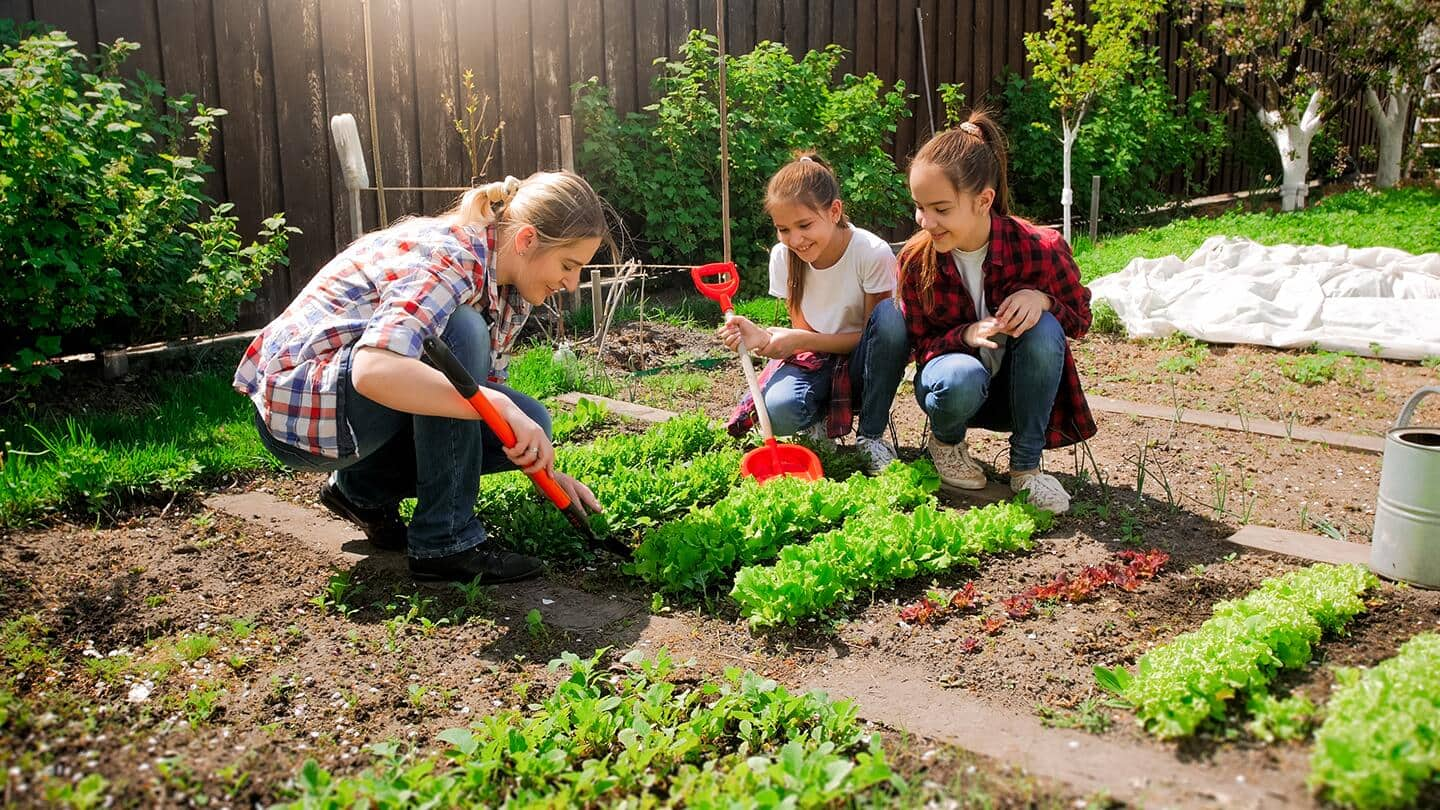
Good soil is the foundation of a healthy garden. Plants that grow in rich, well-balanced soil are stronger, more resistant to disease, and produce better crops and flowers. Many home gardeners struggle because the soil in their gardens is either too heavy and clay-like, too light and sandy, or lacking in the nutrients plants need. The good news is that you can improve almost any soil by adding organic matter and compost. Making your own compost at home is easier than you might think, saves money, and turns kitchen and yard waste into black gold for your garden. This guide explains what makes good soil, how to test what you have, and how to create rich compost in your own yard using simple methods.
Understanding Soil Structure and Composition
Good garden soil has three main components: clay, sand, and organic matter. Clay holds water and nutrients but can become compacted. Sand drains quickly but does not hold nutrients. Organic matter, which includes compost, peat, and decomposed plant material, binds these together and improves the texture. The ideal garden soil, called loam, has a balance of all three, feels crumbly when damp, and drains well while holding enough moisture for plants.
Before improving your soil, you should know what you are starting with. Squeeze a handful of moist soil. If it holds its shape in a tight ball, you have too much clay. If it falls apart immediately, you have too much sand. If it forms a loose ball that crumbles easily, you already have good structure.
Getting a Soil Test
Many garden centers or agricultural extension offices offer soil testing services. A test tells you the pH level, which affects nutrient availability, and the levels of nitrogen, phosphorus, and potassium. Testing also reveals if your soil lacks trace minerals such as magnesium, boron, or zinc. You can test at home with a simple pH test kit, but a professional test gives much more useful information. Based on the results, you can add specific amendments rather than guessing.
Adding Compost and Organic Matter
The fastest way to improve soil is to add several inches of compost. Compost is decomposed organic material that is rich in nutrients and microorganisms that help plants grow. Spread one to three inches of compost over your garden bed and work it into the top six to eight inches of soil with a spade or garden fork. Do this before planting in spring or in fall. Over time, as you add compost every year, your soil becomes darker, richer, and more crumbly. Plants respond immediately with stronger growth.
Why Make Your Own Compost
Buying bags of compost adds up in cost and is heavy to transport. Making compost at home uses materials you would throw away, saves money, and gives you a steady supply. It also reduces landfill waste. Homemade compost is just as good as purchased compost, and you know exactly what went into it.
What You Can Compost
Compostable materials are divided into green materials, which are nitrogen-rich, and brown materials, which are carbon-rich. A good compost pile has roughly equal amounts of both.
Green materials include grass clippings, vegetable and fruit scraps, coffee grounds, tea bags, and fresh plant trimmings. Brown materials include dry leaves, shredded paper, cardboard, wood chips, and straw.
Do not compost meat, fish, dairy, or oils, because they attract pests and smell bad. Avoid diseased plant material and weeds with seeds, because the heat may not be high enough to kill them.
Simple Composting Methods
Pile Composting
The simplest method is to pile materials in a corner of your yard. Layer brown and green materials, keep the pile moist like a squeezed sponge, and turn it with a fork every few weeks. The pile heats up as microorganisms work, and in two to three months you will have usable compost.
Bin Composting
A compost bin keeps materials contained and looks neater. You can buy a bin or build one from wood pallets or wire. Follow the same layering and turning method as pile composting.
Tumbler Composting
A rotating compost tumbler turns compost faster because you can mix materials easily. These are more expensive but faster and less labor-intensive than traditional piles.
Vermicomposting
Using red wiggler worms in a small bin creates rich compost in a few months. This works indoors or under a shady spot and is good if you have limited space.
The Composting Process
Start your compost pile with a layer of brown material, about four to six inches. Add a layer of green material of the same depth. Continue alternating layers. Keep the pile as moist as a wrung-out sponge. Water it if the weather is dry, and cover it during heavy rain. Turn the pile every few weeks with a garden fork, moving material from the outside to the center. The pile will heat up inside, which is normal and speeds decomposition. After two to four months, depending on temperature and turning frequency, the material will be dark, crumbly, and smell like forest soil. This is finished compost ready to use.
How to Use Finished Compost
Spread two to three inches of compost over garden beds and work it into the soil before planting. Use it to fill containers, improve poor soil areas, or mulch around plants. Add compost to the bottom of planting holes for vegetables and flowers. Top-dress established plants in fall with an inch or two of compost. Over time, the organic matter breaks down and becomes part of the soil structure, so you never have too much compost.
Troubleshooting Compost Problems
If your pile smells like ammonia, add more brown material and turn it more often. If it does not heat up or decompose, you may have too many browns and not enough greens, or the pile may be too small. If you see rodents, make sure you are not composting food scraps that attract them, or use a closed bin instead of an open pile.
Sustainable Gardening Practices
Modern gardening increasingly focuses on sustainability. Using homemade compost instead of bagged products reduces packaging waste and transportation emissions. Collecting rainwater reduces municipal water use. Growing your own food reduces dependence on supermarkets. Creating a garden ecosystem with beneficial insects reduces the need for pesticides. Composting kitchen scraps and garden waste diverts material from landfills. Choosing native plants supports local ecosystems. Allowing some areas to be wild and unmown creates habitat for creatures that pollinate and control pests. Starting from seeds or propagating plants saves money and reduces plastic packaging from nursery plants. These practices benefit your garden, your wallet, and the environment.
Making a Compost Tea
Finished compost can be made into a nutrient-rich liquid called compost tea. Fill a bucket with water, add finished compost in a cloth bag, and let it steep for twenty-four to forty-eight hours. The resulting liquid is rich in beneficial microorganisms and nutrients. Use it to water plants or spray on foliage. Compost tea is an excellent natural fertilizer that feeds plants and improves soil health. Making it at home costs almost nothing and uses materials you already have.
Troubleshooting Specific Soil Problems
Heavy clay soil is common in many areas. To improve it, add compost, aged manure, peat moss, and coarse sand. Work these amendments into the top six inches of soil. Over time, the organic matter breaks down clay particles and improves drainage and workability. Very sandy soil drains too fast and does not hold nutrients. Add generous amounts of compost and aged manure to increase water and nutrient retention. Acidic soil, indicated by a pH below 6.0, benefits from the addition of lime to raise the pH. Alkaline soil with a pH above 7.5 can be amended with sulfur to lower the pH. Soil with compaction from foot traffic or heavy machinery benefits from deep digging, turning, and the addition of organic matter. Most soil problems improve with time and the addition of compost.
Frequently Asked Questions
How long does compost take to be ready?
Two to four months if you turn the pile regularly, or six months to a year if you leave it alone.
Can I compost in winter?
Yes, but the process is slower in cold weather. Continue adding materials, and turning may be harder when the pile is frozen.
Final Thoughts
Rich soil grows healthy plants. Make your own compost from kitchen and yard waste, add it to your soil every year, and watch your garden transform. Dark, crumbly soil teeming with life is the goal, and compost gets you there.
Testing Your Soil and Understanding Results
A basic soil test costs ten to twenty dollars and provides valuable information. Most tests measure pH, which ideally is between 6.0 and 7.0 for most plants. Tests also measure nitrogen, phosphorus, and potassium, the three major nutrients. Understanding your soil test results helps you amend correctly rather than guessing. If your nitrogen is low, add compost or a nitrogen-rich fertilizer. If phosphorus is low, add bone meal or phosphate rock. If potassium is low, use wood ash or greensand. Trace minerals like magnesium, zinc, and boron are sometimes deficient, and adding them to your soil improves plant growth dramatically. A professional test saves money in the long run by preventing you from adding unnecessary amendments.
Other Soil Amendments
Beyond compost, other organic amendments improve soil. Aged manure adds nutrients and organic matter. Peat moss holds water and improves structure, though coconut coir is more sustainable. Leaf mold, made from decomposed leaves, enriches soil inexpensively. Wood chips and bark improve texture and add slow-release nutrients. Bone meal provides phosphorus, fish emulsion provides nitrogen, and kelp provides trace minerals. Mix and match amendments based on your soil test results and what you have available. Building soil is a long-term project, and every addition improves it bit by bit.